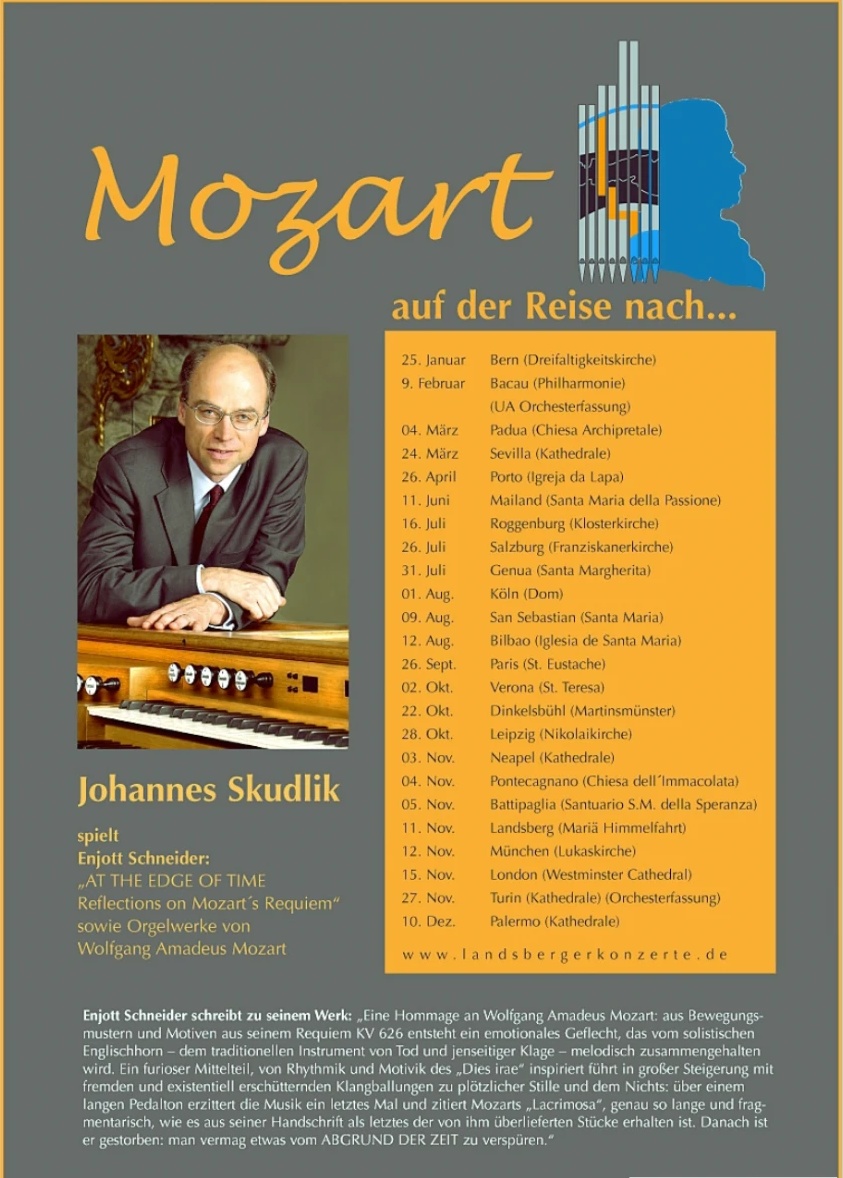
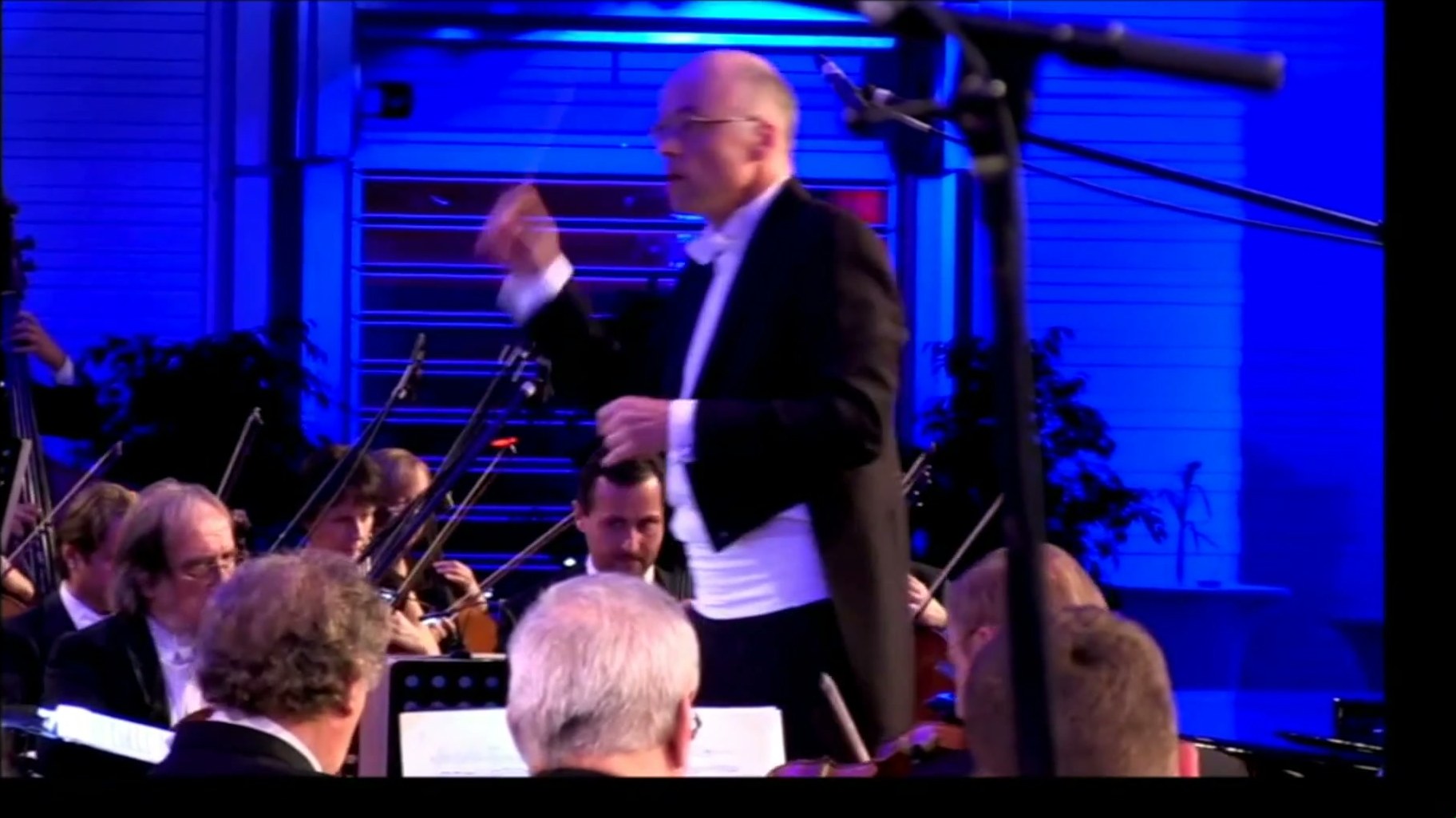
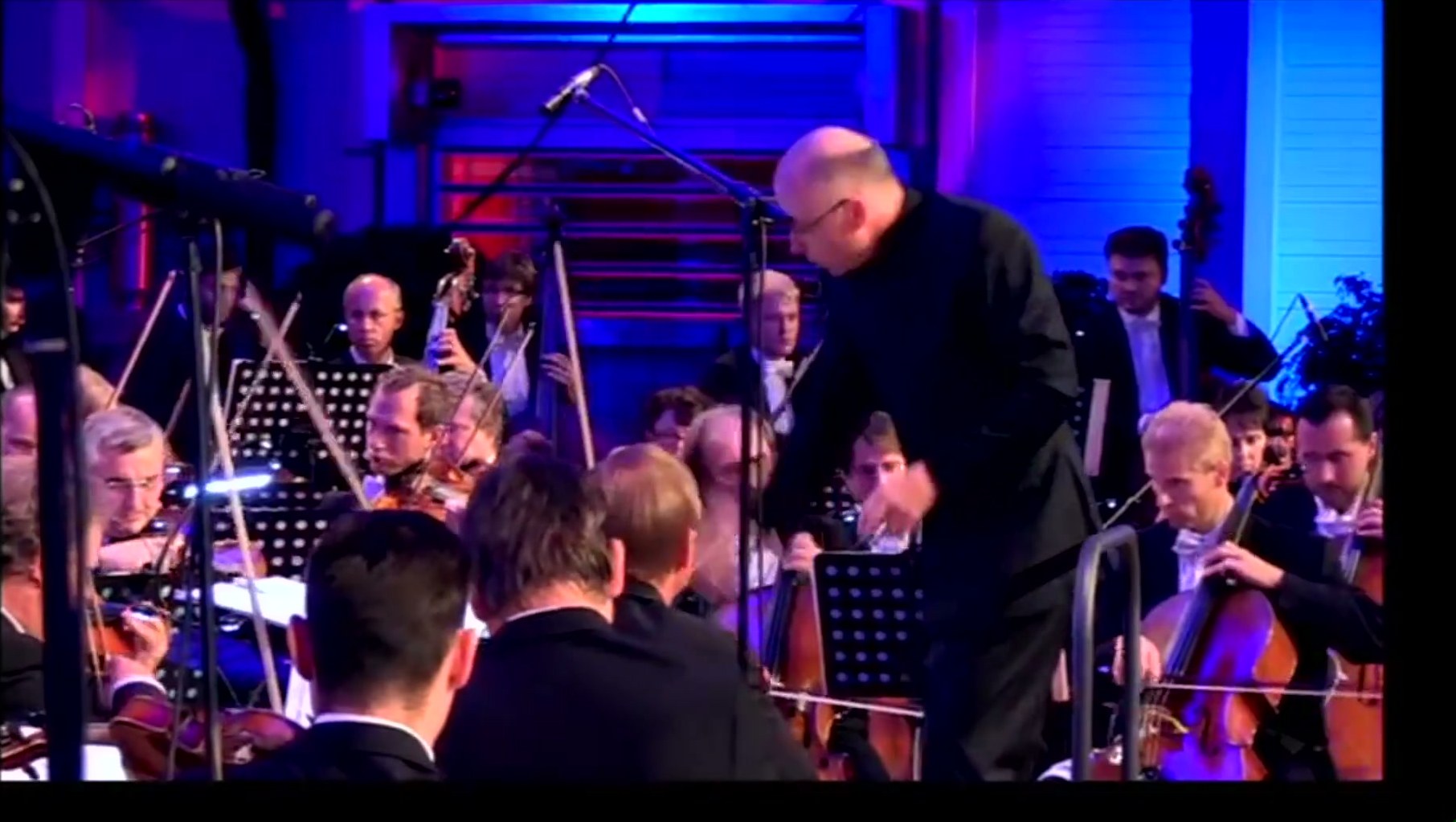
The Euro-Via-Festival was founded in 2005 by Johannes Skudlik. The Latin element VIA emphasizes the experience of a moving music festival along pan-European routes and the purpose of the festival: combining historically significant venues and enabling a lively intercultural exchange of artists, audiences and local organizers alike. In 2005, the first edition of the festival led along the historical Roman road Via Claudia Augusta from Bavaria to the Veneto and culminated after 50 concerts at San Marco in Venice.
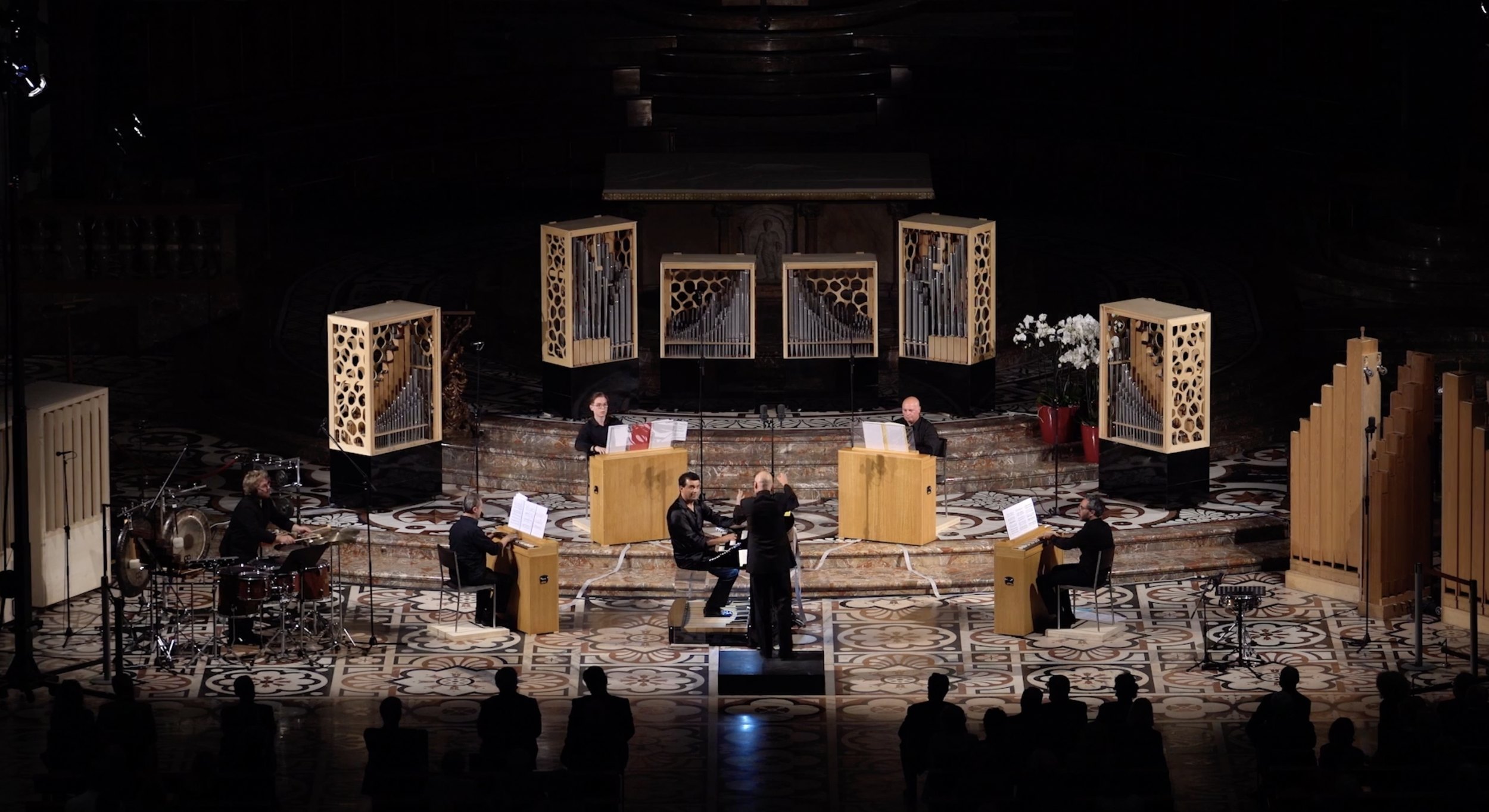
Between 2008 and 2010, “Ways to Rome” presented concerts in Paris (Notre Dame), London (Westminster), San Sebastian, Toulouse, Munich, Copenhagen, Gdansk, Linz, Porto, Palermo, Verona and a yearly festival week in Rome. From 2011 onwards, the festival focused on the historic pilgrim routes to Santiago de Compostela. The edition “From Rome to Santiago” put the main emphasis on Italy, Bavaria, the South of France, Portugal and Spain. Venues included Schloss Neuschwanstein and the Philharmonie Munich, the cathedrals of Lausanne, Toulouse and Porto, and Santiago de Compostela. 2017 saw the festival returning to Italy with concerts in Verona, Pienza and Rome. In 2018, Jean Guillou's “La Révolte des Orgues”, a piece for nine organs, percussion and conductor, was performed at the Elbphilharmonie Hamburg and at Westminster Cathedral in London, and in 2021 at the Duomo di Milano.
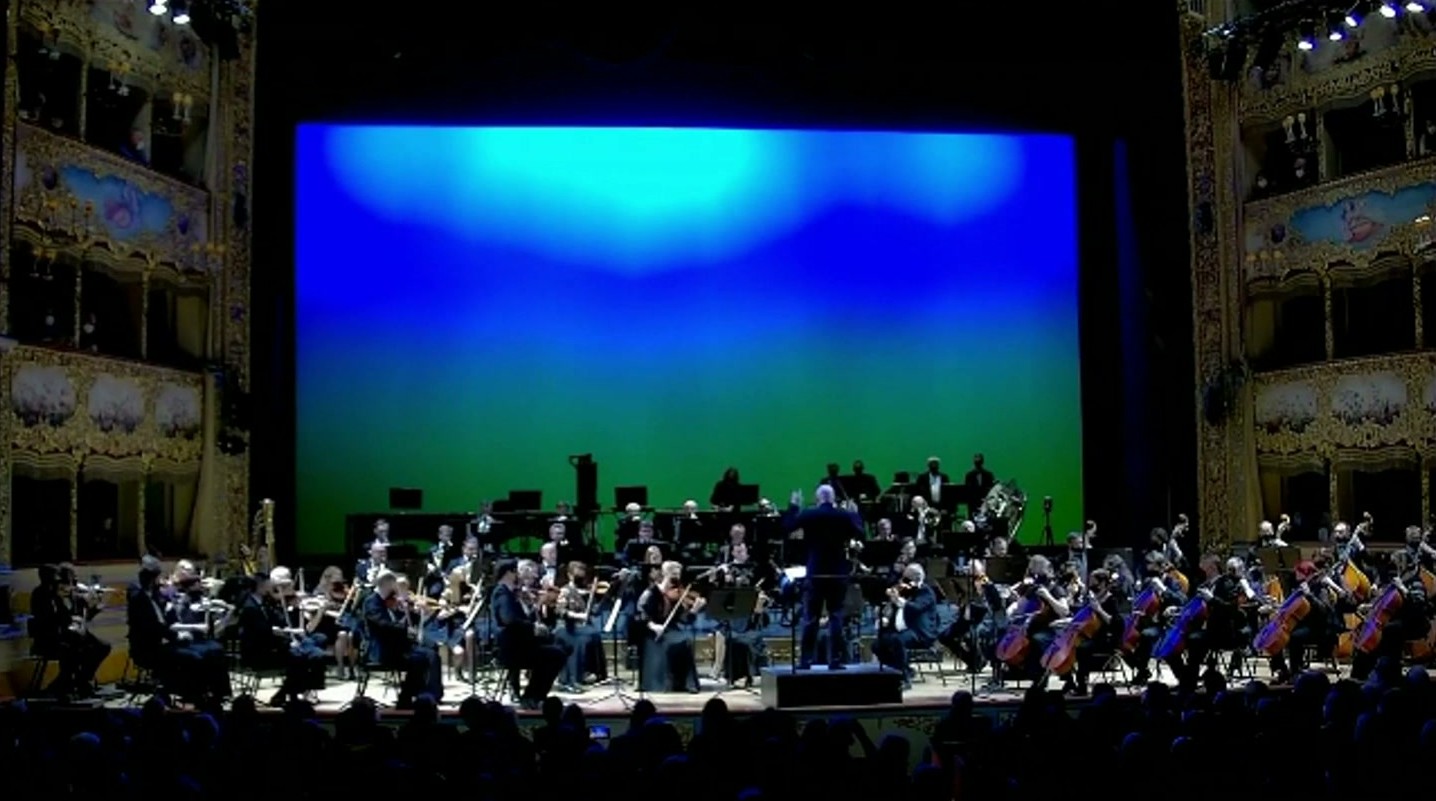
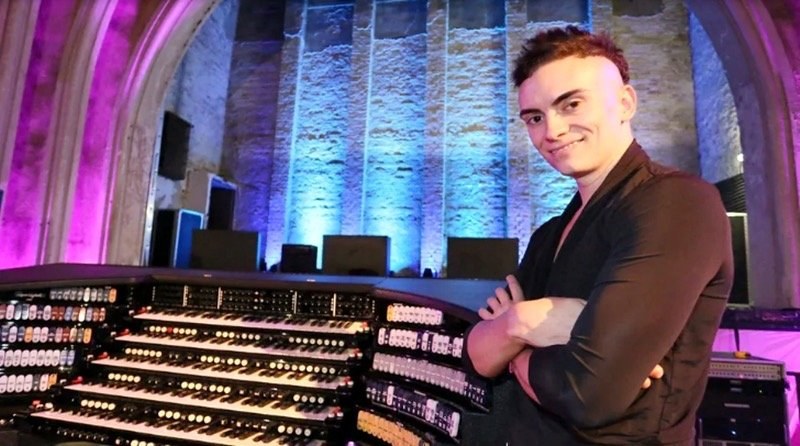
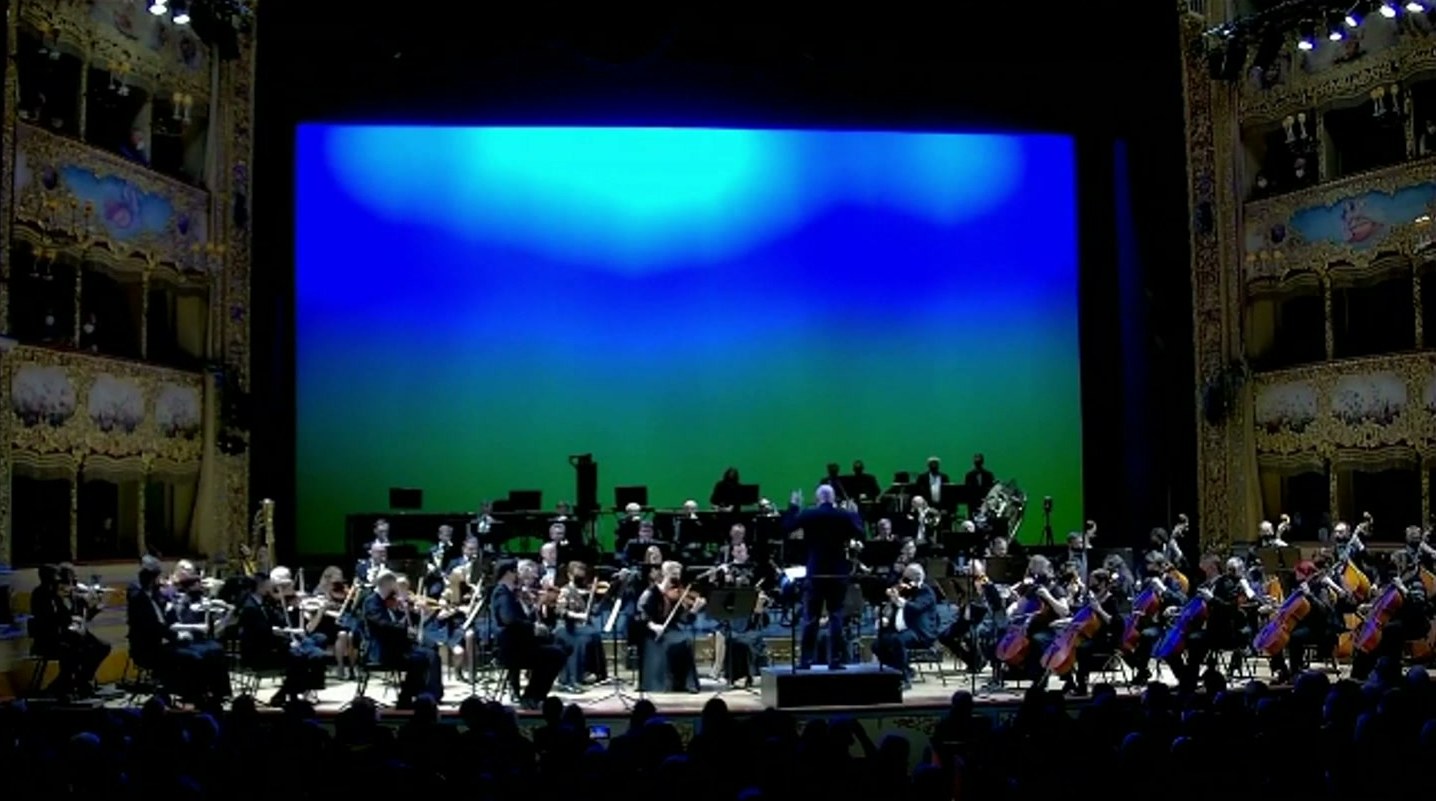
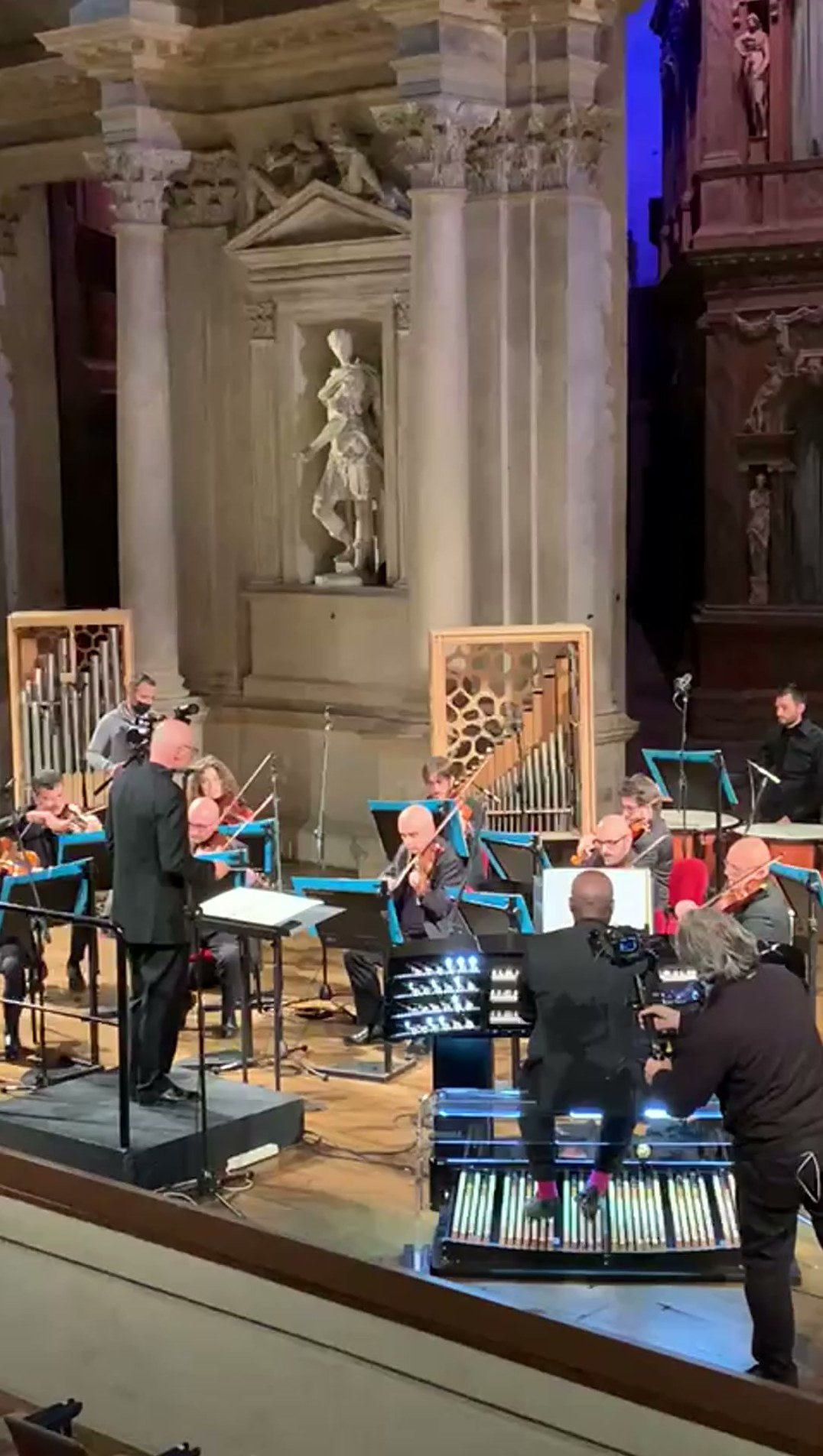
Following the pandemic, the 2021/2022 festival season featured concerts at the Teatro Olimpico of Vicenza for ARTE Concert and at San Francesco of Arezzo: Wayne Marshall performed on the “Wanderer”, a brand-new mobile pipe organ built by Paolo Oreni, together with the Virtuosi Italiani. Other highlights of the series were the appearance of the National Ukrainian Symphony Orchestra in the Teatro La Fenice in Venice under the baton of festival founder Johannes Skudlik, and an open-air organ recital by Cameron Carpenter at the Teatro Romano of Verona.